


Aluminium adds value
From the earliest design phase
The well-known advantages of aluminium are clear enough: lower weight, corrosion resistance, design flexibility and faster installation. Yet in practice, these benefits don’t simply come as standard.
They depend entirely on how the material is applied within your project. A profile only performs as intended when its geometry matches the loads it needs to carry, when the alloy is suited to its environment, and when the design takes account of assembly, functionality and long-term use. When these elements are considered together from the outset, aluminium starts to deliver tangible project benefits. Weight reduction may translate into lower structural demands, installation becomes genuinely more efficient, and sustainability moves beyond ambition into measurable performance.
The impact of late alignment
Many of the challenges seen on site can be traced back to decisions made (or not made) earlier in the process. When aluminium profiles are only properly considered at a later stage, designs often need to be adjusted under pressure. What initially looked feasible can turn out to be difficult to manufacture, insufficiently robust, overly complex or simply too costly.
This is where aluminium reveals its strategic nature. When designers, contractors and material specialists work together from the earliest design phase, the outcome is fundamentally different. You’re not just refining a profile; you’re shaping a solution that fits within your planning, budget and performance requirements from the beginning. That early alignment reduces the likelihood of rework, shortens lead times and helps keep projects under control.

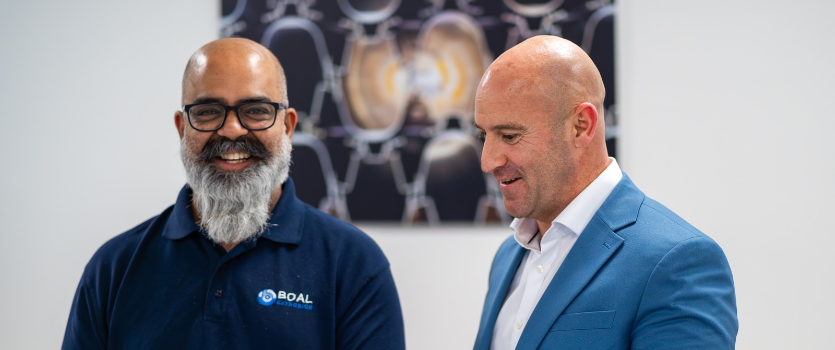
"When designers, contractors and material specialists work together from the earliest design phase, you’re shaping a solution that fits within your planning, budget and performance requirements from the beginning."
Alan Lucas - Commercial DirectorFrom material to performance
The real strength of aluminium lies not in the material itself, but in the way it is integrated into your design. When considerations such as geometry, alloy selection, processing and assembly are approached as one coherent system, aluminium becomes a contributor to overall project performance rather than a constraint.
It may allow you to reduce weight without performance compromise, to simplify installation without losing quality, and to support circular design principles without introducing unnecessary complexity. Increasingly, this is the level of integration that project teams are looking for.
Start early to avoid compromise
If you’re at the beginning of a project where weight, sustainability or manufacturability are key factors, it’s worth engaging with these questions early. A single conversation at the right stage can influence critical design decisions and prevent issues later in the process.
Aluminium is not an automatic choice. It’s a deliberate one, and one that shapes the entire trajectory of your project - from concept through to execution.

At the beginning of a project?
Let’s have a look at it together and make sure it performs as intended in practice.
Read more
Reliable extrusion begins before the press runs
In custom aluminium extrusion, reliability is shaped before production starts. Not on the press, not at dispatch, but in the way an enquiry is underst...
Read more
A good extrusion partnership starts with the right conversation
For customers looking for custom aluminium extrusions, the first conversation can reveal far more than price or lead time. It helps determine whether...
Read more
From extrusion to application
Aluminium extrusion gives you design freedom. But on its own, it’s rarely enough.What really matters on your project is how easily a profile can be in...
Read more