

Why aluminium matters in the next phase of European solar
Sustainable solar calls for choices you can substantiate
The European solar industry is maturing. For years, the sector was assessed mainly on its contribution to clean energy. Today, however, there is also a more critical focus on the infrastructure behind that energy. It is not only the panel that matters, but also the frame, the profile, the mounting system and the supply chain behind it. This is changing the role of material selection.
For solar manufacturers, project developers and suppliers, the question is no longer simply: which material performs best from a technical perspective? Increasingly, the question is: which choice can we substantiate technically, economically and in terms of sustainability?
The blind spot is not in the panel
Solar panels are visible. The infrastructure around them is far less so. Yet frames, profiles and mounting systems all help determine how efficiently a system can be installed, how long it will last, how much maintenance it requires and how effectively components can later be reused or recycled. This is precisely where a significant part of the sustainability challenge lies.
Solar projects require components that are lightweight, remain strong, are easy to process and can withstand weather conditions, loads and long-term use. At the same time, there is a growing need for materials whose origin, environmental impact and availability can be understood more clearly. Sustainable solar therefore does not begin only when a system starts generating energy. Part of that sustainability is already determined by the design and material choices made beforehand.

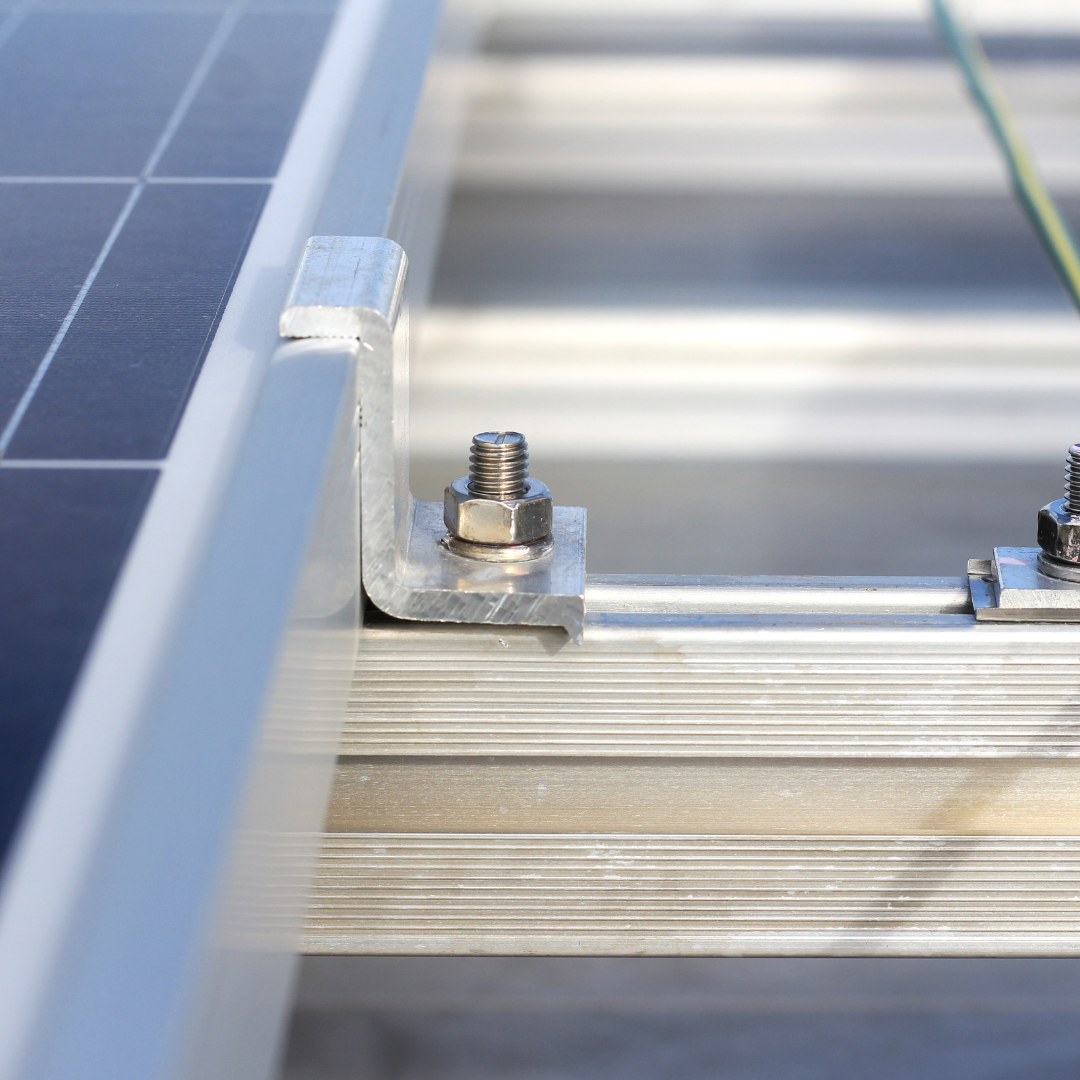
Solar panels are visible. The infrastructure around them is far less so. This is precisely where a significant part of the sustainability challenge lies.
Elke Tabak-Keller - Senior Account ManagerAluminium is a logical choice, but not automatically a sustainable one
Aluminium is well suited to many solar applications. It is lightweight, strong, corrosion-resistant, easy to form and fully recyclable. This makes it suitable for profiles, frames and mounting systems where technical performance, processing efficiency and service life come together. But that does not mean the sustainability question has been resolved.
Aluminium is not automatically a sustainable choice simply because it is recyclable. Its real value depends on the choices behind it: the origin of the billet, the proportion of recycled material, the energy sources used, transport, extrusion efficiency and the way the profile is designed and produced. This is precisely where the difference lies between a material advantage and a substantiated material strategy. For the solar industry, that distinction is becoming increasingly important. After all, those who enable sustainable energy must also be able to explain how sustainably the infrastructure behind that energy has been built.
BLUE by BOAL Extrusion - Sustainable aluminium with a significantly lower footprint: a maximum of 4 kg CO₂e per kg of aluminium
Data is becoming part of material selection
Sustainability becomes more concrete when it becomes measurable.
Terms such as recycled content, low-carbon aluminium, ESG, CBAM, EPDs and CO₂e data are no longer abstract concepts. They are appearing more and more often in customer enquiries, tenders, reports and supply chain discussions. This requires reliable information. Not only to be able to say that a choice is more sustainable, but to show what that choice is based on.
With BLUE by BOAL, we make more sustainable material choices more tangible. BLUE Recycled Content uses aluminium billets containing at least 65% recycled material, consisting of pre- and post-consumer scrap. BLUE Low Carbon focuses on billets produced using renewable energy sources, such as solar, wind and hydropower. This results in a significantly lower footprint: a maximum of 4 kg CO₂e per kg of aluminium, well below the industry average of 15.1 kg.
For solar customers, this is relevant because sustainability claims increasingly require evidence. Material data helps connect technical performance with environmental impact, reporting obligations and trust across the supply chain.

Scalability requires reproducible quality
The European solar industry is not growing through individual projects alone. Growth requires systems that are repeatable, scalable and reliable. A profile must not only meet the requirements of a single project. It must also be suitable for repeat orders, new project phases and larger volumes, without quality, dimensional accuracy or processability having to be questioned each time. That is why reproducibility is more than a technical detail.
Consistent profiles help keep installation, planning, stock management and project quality under control. This is especially important in a market where availability, costs, regulation and customer expectations can change quickly.
For solar companies, delivery reliability therefore becomes part of project certainty. And this is precisely where strong extrusion expertise proves its value: not only by producing a profile that fits today, but by developing a solution that remains reproducible, scalable and responsibly deployable tomorrow.
From profile to responsible choice
The question in the solar industry is shifting. From: which profile do we need? To: which material choice performs technically, can be reproduced at scale and can be substantiated towards the customer, project partner or client? This requires collaboration between design, engineering, procurement, sustainability and production. Because sustainable infrastructure is not created by a single decision made afterwards, but by a series of choices made early in the process.
As an aluminium extruder, BOAL Extrusion NL helps make those choices more concrete. With technical knowledge, extrusion expertise, reproducible quality and material options that are better aligned with today’s sustainability requirements.
Sustainable energy requires more than good intentions. It requires infrastructure that is technically sound, can be produced reliably and is supported by choices that stand up to scrutiny.
Would you like to explore how material selection, reproducibility and CO₂e data can strengthen your solar projects? BOAL Extrusion NL would be pleased to help you think through aluminium profiles that are right from both a technical and sustainability perspective.
We would be pleased to help
Would you like to explore how material selection, reproducibility and CO₂e data can strengthen your solar projects? BOAL Extrusion NL would be pleased to help you think through aluminium profiles that are right from both a technical and sustainability perspective.
Read more
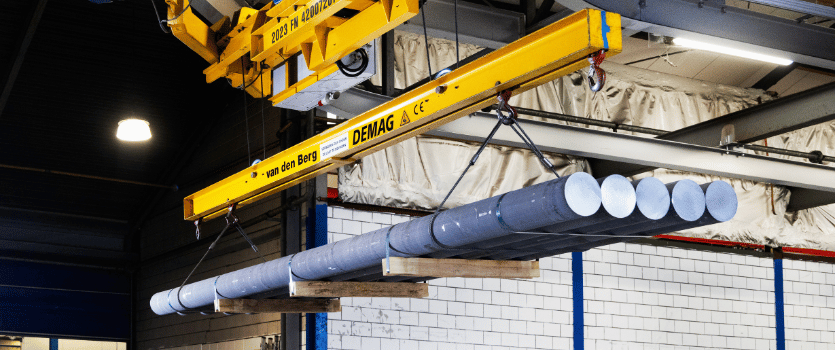
Progress requires measurable aluminium choices
Aluminium is a material of progress. It is lightweight, strong, formable, durable and fully recyclable. In sectors such as solar, transport, electrica...
Read more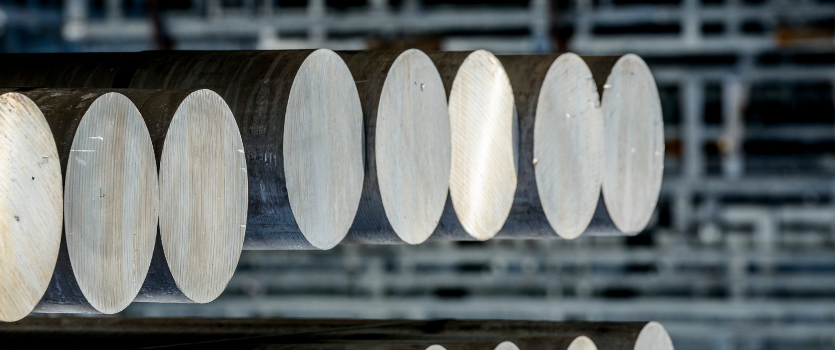
Geopolitical tensions put pressure on the aluminium market
Recent escalations in the Middle East are beginning to have a tangible impact on the global aluminium market. What is unfolding at a geopolitical leve...
Read more
BOAL Extrusion re-certified for ISO 9001
BOAL Extrusion NL has successfully renewed its ISO 9001 certification. This confirms that our quality processes comply with the international standard...
Read more