


CBAM & ALUMINIUM
What does this mean for your aluminium sourcing?
Since the introduction of CBAM, we have been receiving more and more questions about its potential impact on aluminium and ongoing projects. This is understandable. The regulation is often explained in technical terms, while for most organisations the question is very practical: am I at risk of additional costs or obligations?
CBAM is a European regulation that introduces a CO₂ adjustment for certain products imported from outside the EU, including aluminium. European producers already pay for their emissions through the existing Emissions Trading System (ETS). CBAM ensures that a CO₂ price is also applied when comparable products are imported. Importers must purchase certificates based on the emissions embedded in the product. The price of these certificates is linked to the European carbon market and therefore moves with that market.
For companies that import aluminium or semi-finished products from outside the EU themselves, this introduces a new layer of risk management. Not only administratively, but also financially. Embedded emissions must be determined, certificates must be purchased in time, and the final costs depend on developments in the carbon market. As a result, carbon becomes an explicit part of the total cost price and of strategic sourcing decisions.

What does this mean when you work with BOAL?
We source our aluminium billets from Iceland and produce within the European Union. Although Iceland is not an EU member state, it participates in the European Emissions Trading System (EU ETS) through the European Economic Area. This means that the CO₂ costs are already integrated into the production of the aluminium we use.
As a result, there is no unpriced carbon in our primary raw material. Production takes place within a regulated emissions framework aligned with the European ETS system. The carbon component is therefore already embedded at the source within a regulated system and forms part of the normal market structure.
For you as a customer, this provides stability. In a market where regulations and CO₂ prices can fluctuate, this supply chain structure contributes to predictability in planning, cost levels and compliance.
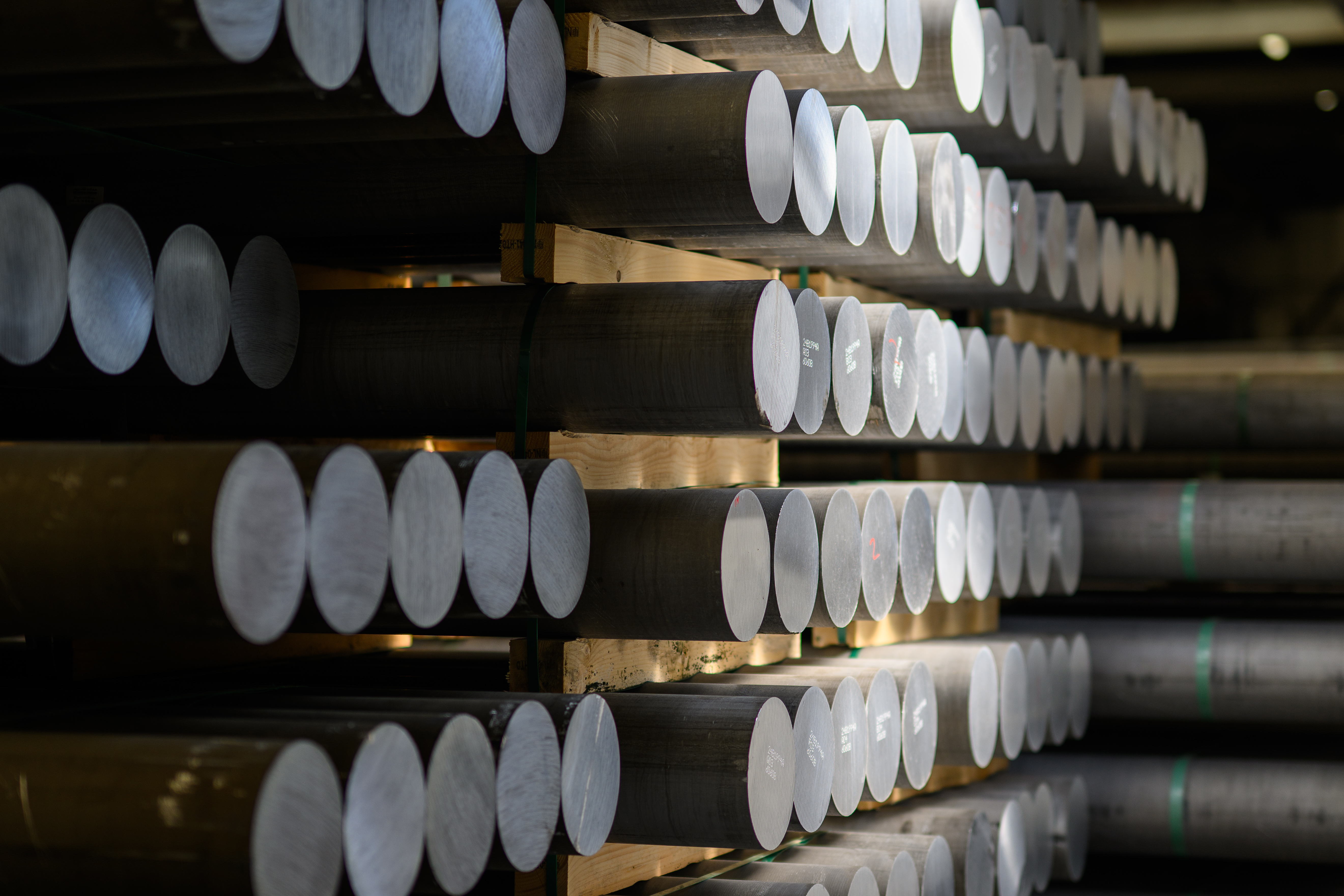
This does not make CBAM any less relevant. If you import aluminium or semi-finished products from outside the EU yourself, CBAM can introduce an additional layer of risk management. When more than 50 tonnes of CBAM goods are imported in a calendar year, reporting and certificate obligations apply. This brings not only administrative responsibilities, but also financial consequences.
What is often underestimated is that the real financial impact of CBAM only becomes fully visible over time. In the first year, the effect may appear limited. However, only after the import year has been completed and the certificates have been finally settled does it become clear what the actual CO₂ costs were and how they compare to the original purchasing advantage of sourcing outside the EU.
For that reason, insight into origin, emissions and the total cost structure is essential when making sourcing decisions.
We actively monitor developments around CBAM and ETS because we know the topic goes beyond regulation alone. It affects supply chains, pricing structures and long-term strategic decisions. If you have questions about the impact of CBAM on your projects or procurement strategy, we are happy to think along with you — not from theory, but from practical experience with aluminium, supply chains and European regulation.
Read more
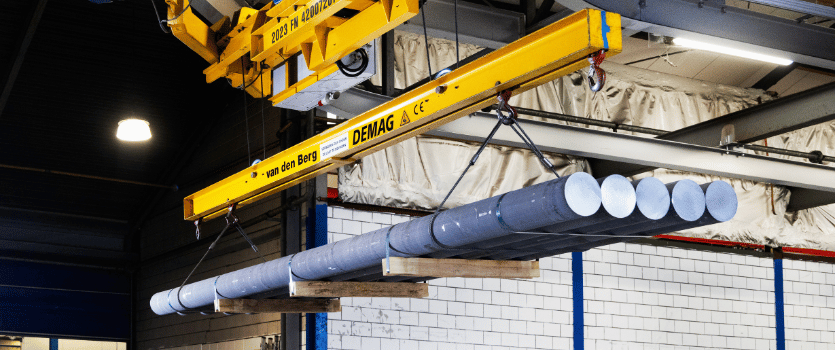
Progress requires measurable aluminium choices
Aluminium is a material of progress. It is lightweight, strong, formable, durable and fully recyclable. In sectors such as solar, transport, electrica...
Read more
Build lighter, go further
In the transition towards sustainable mobility, efficiency is everything. Whether we are talking about electric vehicles or other low-emission applica...
Read more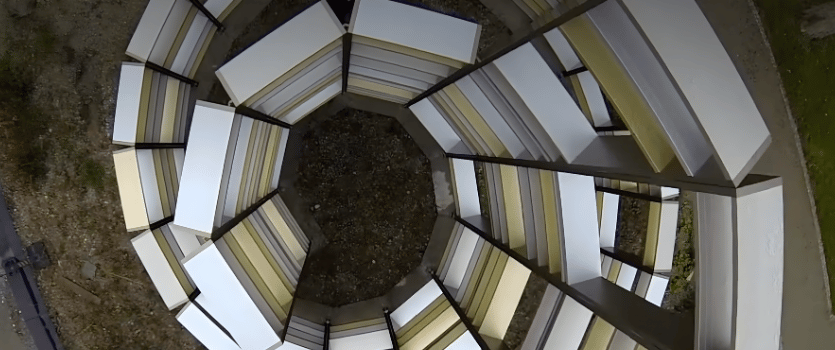
From profile to system
In many architectural and structural projects, manufacturability is still too often treated as a follow-up step to the design. A logical assumption, b...
Read more