


Aluminium isn't a material choice, it's a strategy
Aluminium gains meaning in the context of a project
In construction, aluminium is often viewed as a light and durable material. But anyone who works with complex projects on a daily basis knows that this is only the beginning. Extruded aluminium is not a standard raw material; it is a strategic instrument that determines how manufacturable, scalable, and future‑proof a design ultimately becomes. Across the five core sectors in which BOAL Extrusion operates - from commercial construction to PV installations - we consistently see that aluminium only delivers its full value when design and application are aligned from the very start.
When material properties become real project advantages
The well‑known benefits of aluminium sound straightforward: lower weight, faster installation, high corrosion resistance, design freedom, and strong alignment with sustainability goals. But in practice, these advantages do not appear automatically. They only become reality when the material is applied deliberately - with a profile geometry that matches the load, an alloy suited to the environment, and a design that accounts for assembly, functionality, and circularity. Only then does low weight truly reduce structural loads, does installation genuinely become faster, and does sustainability become more than a promise.
The consequences of late alignment in the design process
Many construction projects face delays or increased costs because the profile is only aligned late in the process. At that point, a design may turn out to be unmanufacturable, insufficiently stiff, overly complex, or simply too expensive. This is precisely where aluminium demonstrates that it is not a material choice but a strategic decision. When designers, builders, and material specialists collaborate from the very first sketch, the result is a profile that is not only technically sound but also feasible within planning, budget, and sustainability targets. It is this early alignment that prevents failure costs, shortens lead times, and minimises risks.

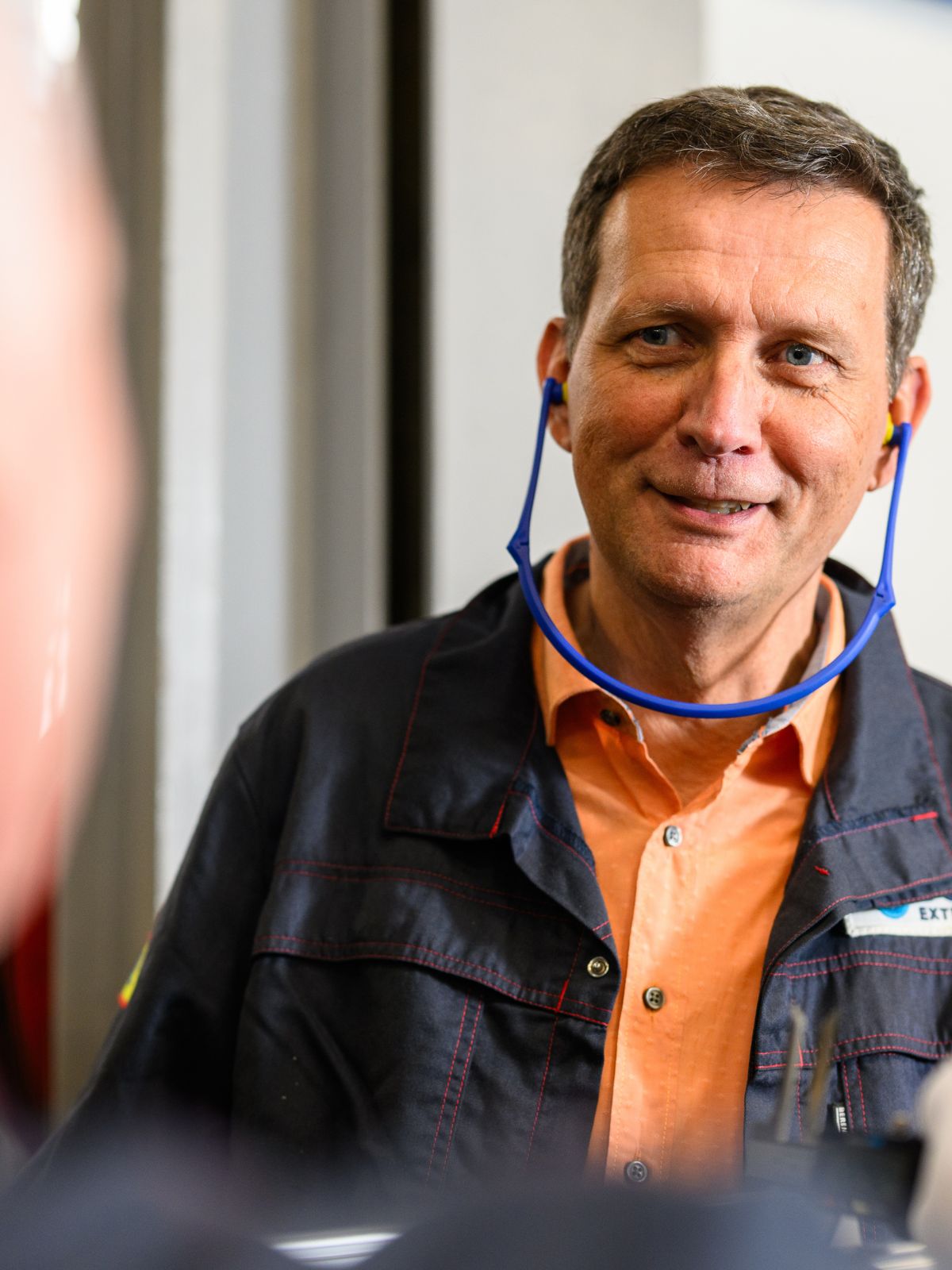
“When alignment is missing, risks and delays arise.”
Ton Koldewijn - Technical Support ManagerThe added value of an integrated design and engineering approach
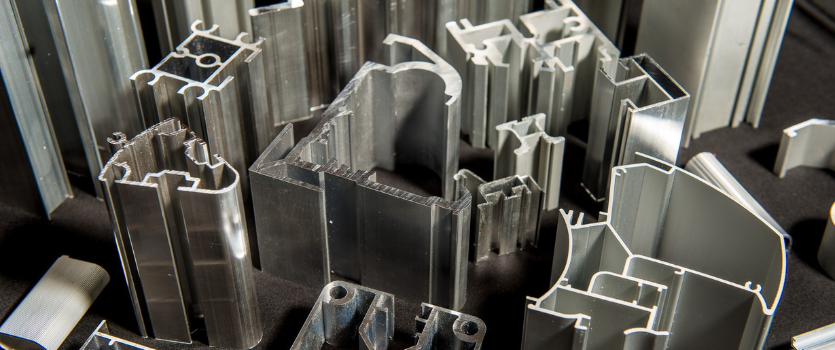
The true strength of aluminium does not lie in the material itself, but in the way it is applied. When design, alloy selection, geometry, processing, and assembly form a single coherent whole, aluminium becomes a building block that enhances a project’s performance rather than limiting it. It enables lighter designs without compromising strength, speeds up installation without sacrificing quality, and supports circularity without adding complexity. This is the strategic value that an increasing number of clients and design teams are seeking.
Why it pays to start the conversation early
For anyone at the start of a project where weight, sustainability, or manufacturability plays a role, it pays to engage early. A single conversation can already determine which design choices will prevent problems later on and which opportunities can be fully leveraged. Aluminium is not an automatic choice, but a deliberate decision that influences the entire trajectory, from concept to execution.
Working together on solutions that stand up in practice
Challenge us! Our experts are eager to collaborate on design, application and sustainability, especially in the phase where strategy still exists on paper and the greatest gains can be achieved.
Read more
Progress requires measurable aluminium choices
Aluminium is a material of progress. It is lightweight, strong, formable, durable and fully recyclable. In sectors such as solar, transport, electrica...
Read more
Build lighter, go further
In the transition towards sustainable mobility, efficiency is everything. Whether we are talking about electric vehicles or other low-emission applica...
Read more
From profile to system
In many architectural and structural projects, manufacturability is still too often treated as a follow-up step to the design. A logical assumption, b...
Read more